Color Theory & Mental Health
CLARUS
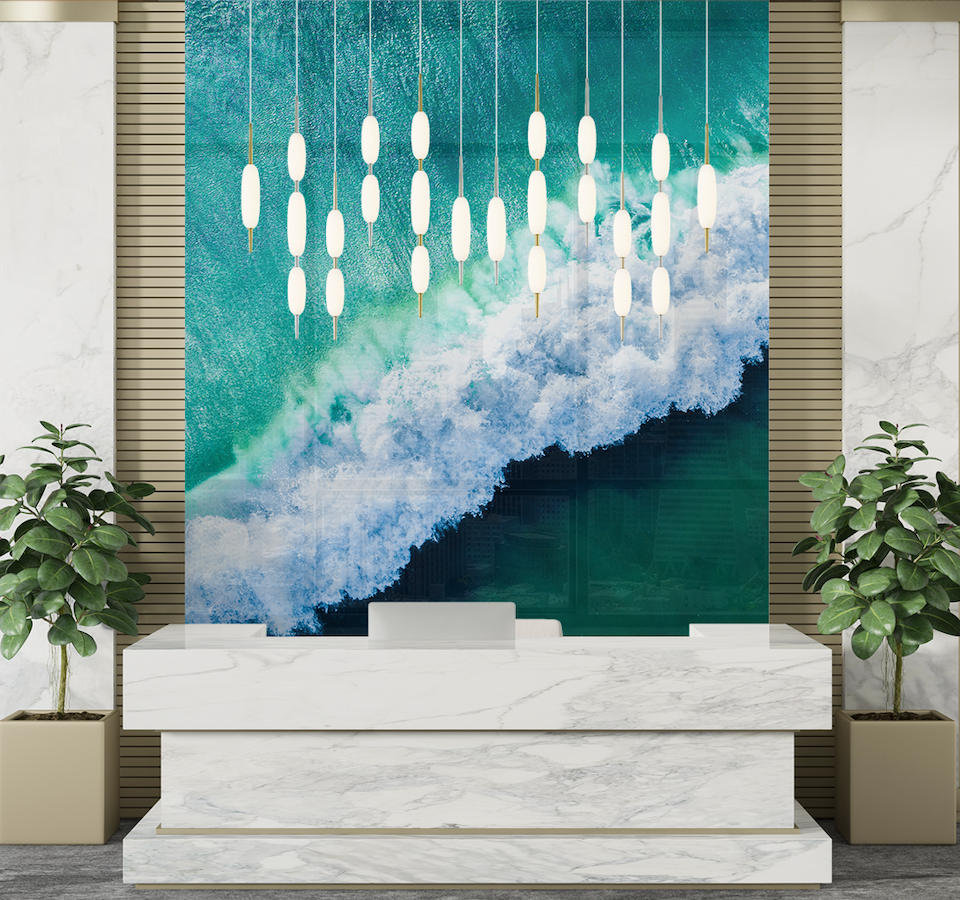
From the clothes on your body to the walls in your office space, each color (or lack thereof) can have a significant impact on an individual’s emotional response, mood, and overall mental and physical health. In our modern world, personal well-being has been an overarching focus for public-facing industries now more than ever. Designers continue to take it upon themselves to build intentional spaces that support the needs and wellness of their occupants.
Why Standards Matter
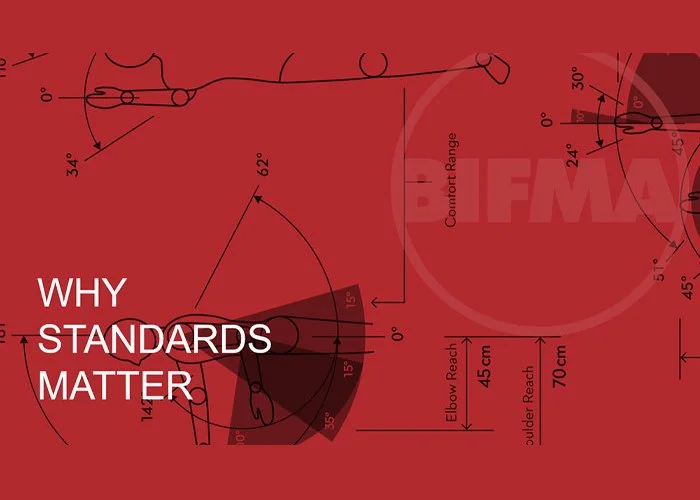
Via Seating | 1 credit hour with IDCEC (HSW), AIA (LU/HSW), GCBI CEs
This course covers BIFMA’s mission, the importance of standards in furniture procurement, the impact of industry trends, product testing, and how to use LEVEL and BIFMA Compliant tools to make informed, safe, and wellness-focused furniture decisions.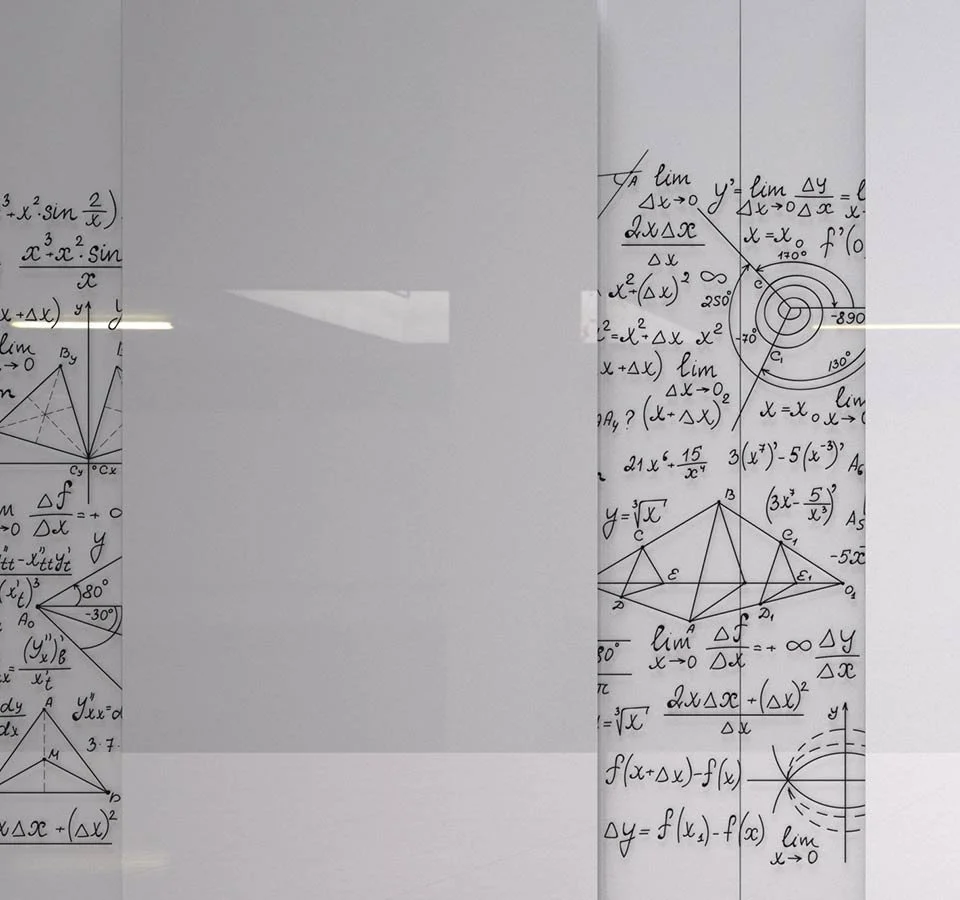
Generation Z: Why Design is Changing… Again
CLARUS
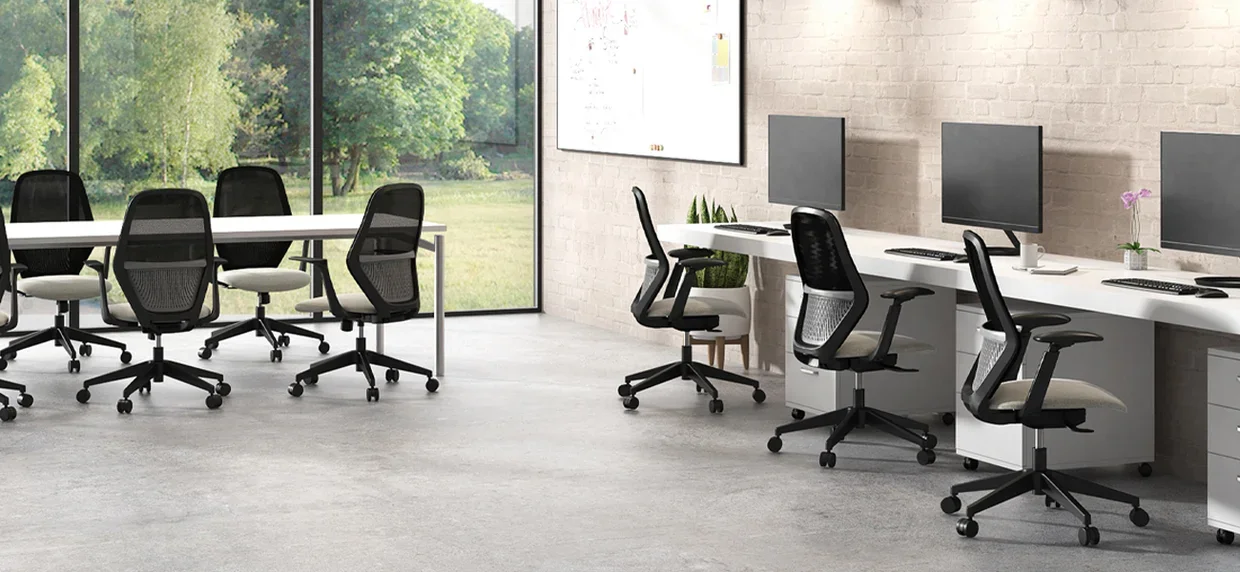
As the post-millennial Generation makes its way into college and the corporate world, it’s imperative for institutions and organizations to holistically grasp and comprehend not just the way Z’s learn, retain, and comprehend information, but the events that have shaped them and who they are. Our research covers the types of environments this generation thrives in, while learning and how colleges and companies can adapt and conform to meet the needs of Generation Z. The future students and professionals are coming, are we designing with them in mind yet?
Ergonomics and the Future Workplace
Via Seating | 1 credit hour IDCEC (Health, Safety, Welfare)
Learn more about the evolution of work including risks and challenges facing knowledge workers due to constant connectivity, technological trends, shifting norms, evolving expectations and the adaptations resulting from COVID-19. This CEU is original content developed in partnership between Via Seating and Workup Ergonomics.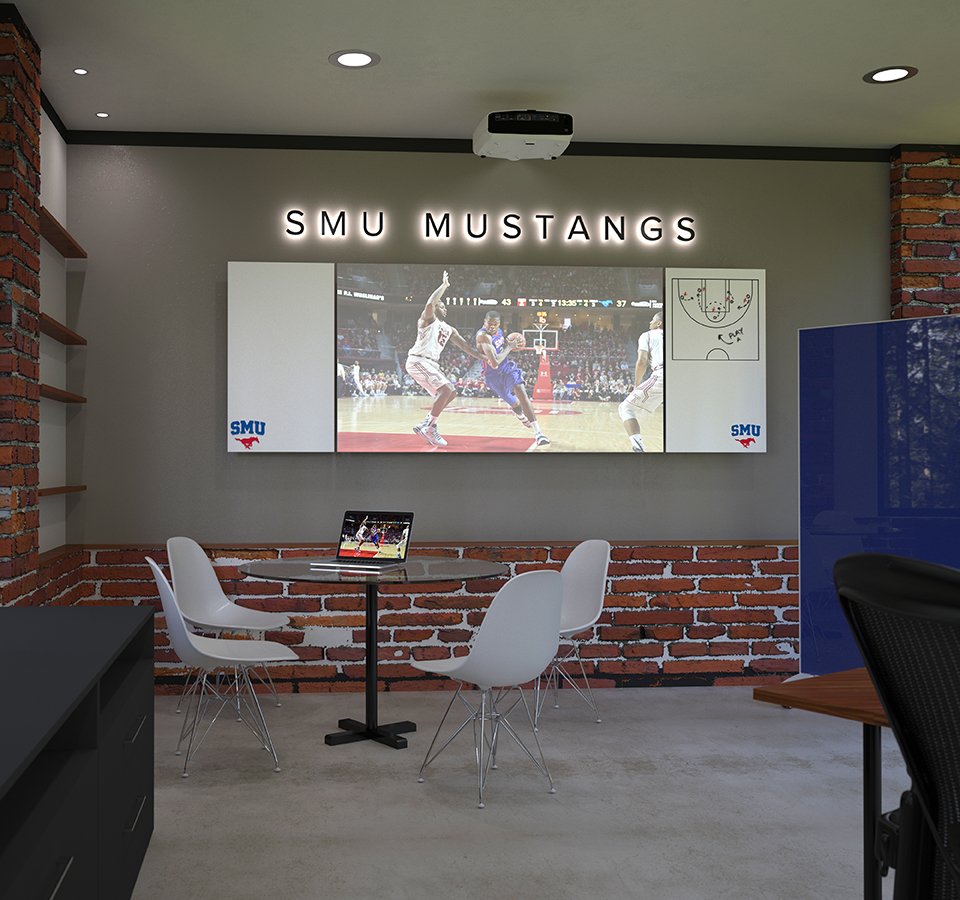
The Psychology of Writing Things Down & What it Means for Design
CLARUS
Writing things down is an age-old concept that applies to every industry, but especially interior design. Writing fosters the foundation of collaboration – the most timeless design trend. With modern design, anything can be a writing surface – what should that writing surface be? The desktop? The cubicle walls? Entire walls?

The course analyzes written language and explores the psychological benefits of writing in the contexts of to-do lists and collaboration. The content explores writing in academic and professional environments and inspires designers to include writing surfaces in every design.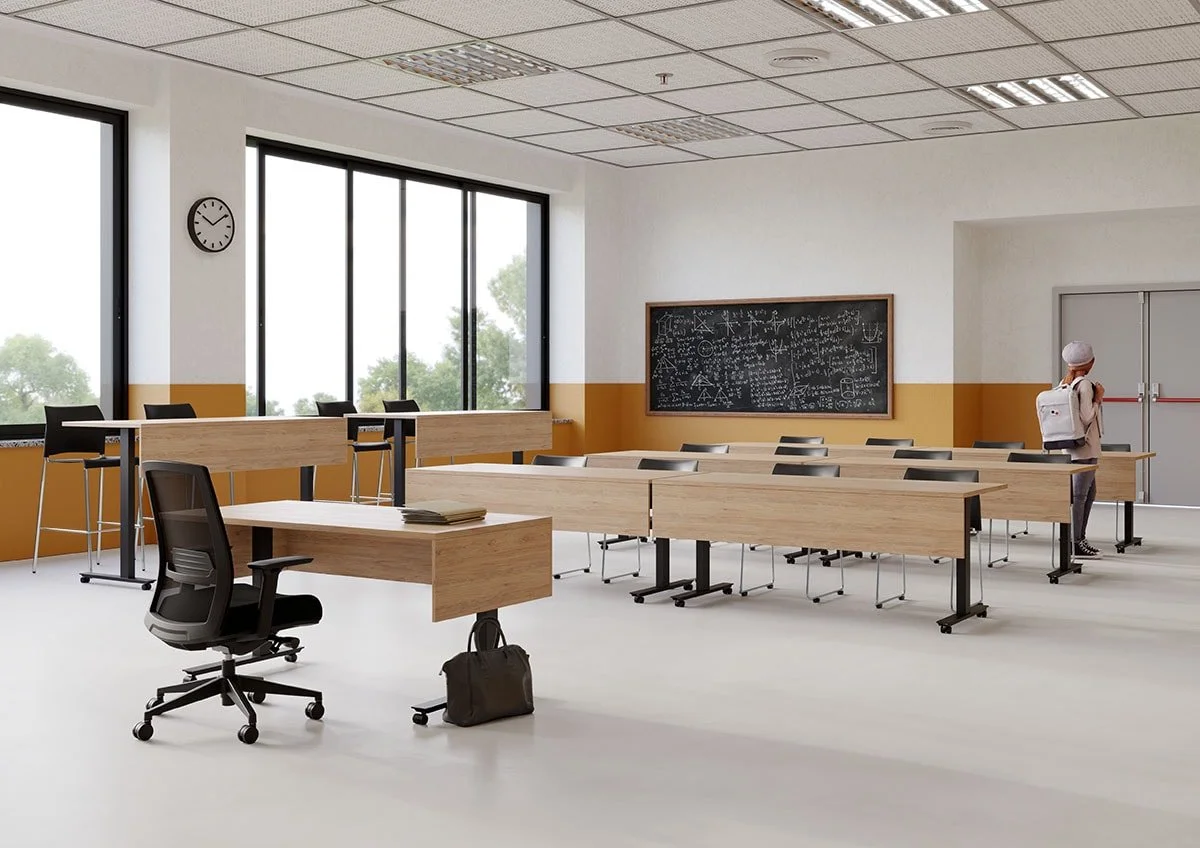
CEU on Laminate Furniture
OFGO Studio | 1 credit hour IDCEC
Laminate is one of the primary types of material used in today’s working, learning and gathering environments. From casegoods; to tables; to workstations; laminate plays a key role in today’s furniture manufacturing. With laminate materials being so key to furniture construction it’s important to consider how different material selections can impact the sustainability, performance and health and wellness of finished goods.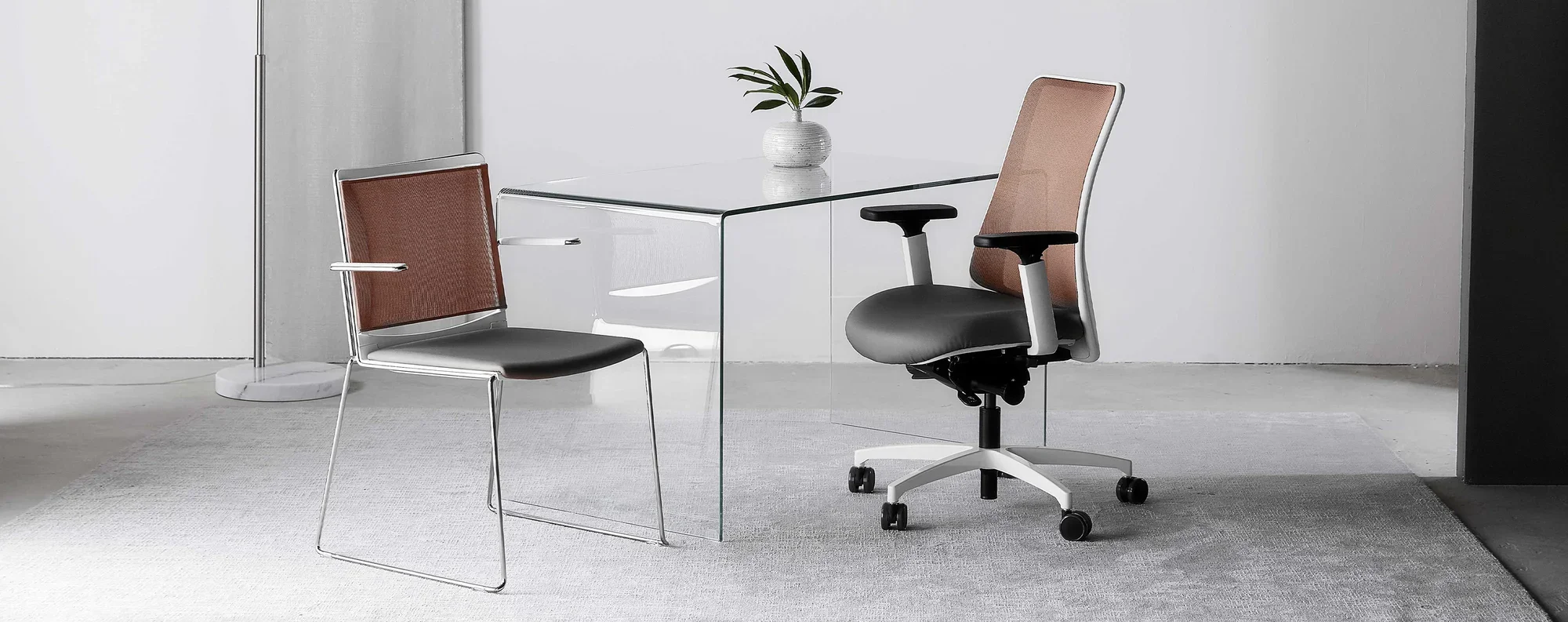
Healthcare Design: How to Combat Superbugs
Via Seating | 1 credit hour IDCEC (Health, Safety, Welfare)
Superbugs in the healthcare environment cost millions of dollars each year. Instead of using harmful chemicals to control the spread of these ever-evolving bacteria, there is a safe solution. Copper. Learn about the biocidal properties of copper and the lifesaving results of using it in hospital design. Learn why superbugs are one of the biggest challenges in healthcare today and what you can do to help combat them.
Attributes of Contract Furniture
Via Seating | 1 credit hour with IDCEC (HSW), AIA (LU/HSW), GCBI CEs
This course explores the key drivers of commercial furniture decisions—including aesthetics, performance, wellness, and verification—empowering professionals to prioritize safety, sustainability, and original design while understanding materiality, occupant impact, and how to apply relevant certification schemes.
Clarifying Sustainability Standard Through Furniture
Via Seating | 1 credit hour with IDCEC (HSW), AIA (LU/HSW), GCBI CEs
This course compares and explains various sustainability rating tools used in the built environment including building rating systems, programs that provide information transparency, and certifications used for materials and products. LEVEL® by BIFMA’s furniture certification program is overlayed throughout to understand the contribution of sustainable furniture in creating spaces with a comprehensive vision for environmental sustainability and human health and wellness.Need a CEU?
Say More?
Get the Inspo
What’s New?